Introduction
Breast cancer is still a major public health problem around the world. It is the most common type of cancer and the second leading cause of cancer-related deaths among women [1]. While advancements in surgical techniques—including breast-conserving surgery and modified radical mastectomy—have significantly enhanced local tumor eradication, the perioperative period is increasingly recognized as a critical window that may determine long-term prognosis [1]. Surgical intervention, though essential, inadvertently triggers a complex cascade of neuroendocrine and inflammatory responses. These responses can create a systemic environment conducive to the survival and proliferation of residual tumor cells [2]. During this vulnerable interval, the choice of anesthetic modality emerges not merely as a means of ensuring intraoperative stability but as a potential pharmacologic intervention capable of modulating host immune defenses and influencing oncological trajectories [3].
The rationale for this systematic review is rooted in the evolving understanding of the "vulnerable window" in oncology, where the intersection of surgical stress, anesthetic agents, and postoperative pain management collectively dictates the patient’s immunological state [3]. Traditional anesthetic practices have long relied on volatile inhalational agents and high-dose opioids; however, emerging preclinical and retrospective clinical data suggest that these agents may be immunosuppressive and potentially pro-tumorigenic [4]. In contrast, propofol-based TIVA and regional anesthetic techniques have demonstrated protective effects on cell-mediated immunity in laboratory settings [2]. Despite these biological insights, large-scale randomized controlled trials and propensity-matched registry studies have often yielded conflicting results, particularly concerning breast cancer, creating a significant gap in clinical guidelines [5]. This review aims to synthesize high-quality qualitative and quantitative evidence to clarify these discrepancies and assess the clinical feasibility of modern, opioid-sparing protocols [1].
Rapid, high-quality recovery—characterized by optimal pain control and the absence of systemic complications—is a prerequisite for the timely initiation of adjuvant treatments, such as chemotherapy or radiation. By minimizing the physiological insult of surgery, anesthetic modalities that prioritize feasibility effectively reduce the risk of micrometastatic progression during the critical interval before systemic therapy begins. The link between recovery quality and the RIOT provides a robust clinical rationale for including feasibility metrics in this review.
While the "vulnerable window" is often defined by transient perioperative immunosuppression, its clinical significance is arguably best captured by the patient’s RIOT. The transition from surgical resection to adjuvant systemic therapy represents a critical juncture where residual micrometastases may proliferate if host defenses are compromised or if recovery is delayed by postoperative morbidity. Consequently, anesthetic techniques that mitigate surgical stress and preserve physiological homeostasis are not merely tools for intraoperative stability; they are essential interventions that safeguard the oncology timeline, ensuring that patients transition to life-saving adjuvant treatments without delay.
The primary objectives of this systematic review are to evaluate the impact of different anesthetic modalities on long-term oncological outcomes—specifically overall survival and recurrence-free survival; to delineate the mechanisms of immune modulation and the neuroendocrine stress response associated with volatile versus intravenous agents; and to assess the clinical feasibility and recovery metrics of opioid-sparing and opioid-free anesthetic strategies in the context of breast cancer surgery. By addressing these questions, this review seeks to provide a comprehensive framework for personalizing perioperative care to optimize both immediate recovery and long-term survival for breast cancer patients.
Review Methods
Study Design
This systematic review was conducted in strict accordance with the Preferred Reporting Items for Systematic Reviews and Meta-Analyses (PRISMA) 2020 guidelines. The review aimed to evaluate the impact of various anesthetic modalities—specifically RA, propofol-based TIVA, and VA—on long-term oncological outcomes, perioperative immune modulation, and clinical feasibility in breast cancer surgery.
Eligibility Criteria
Study eligibility was determined using a comprehensive PICO framework. The target population consisted of patients (typically female) undergoing surgical interventions for breast cancer, including mastectomy, lumpectomy, or breast-conserving surgery. Investigated interventions included regional anesthesia techniques (such as paravertebral blocks [PVB] and pectoral nerve blocks), propofol-based TIVA, and LA) with or without sedation. These were compared against volatile general anesthesia (sevoflurane or desflurane) or standard general anesthesia without regional adjuncts or peritumoral infiltration. Primary outcomes included oncological metrics: recurrence-free survival (RFS), overall survival (OS), and locoregional recurrence (LRR). Secondary outcomes assessed immune modulation (Natural Killer [NK] cell activity, neutrophil-to-lymphocyte ratios [NLR], and cytokine responses) and clinical feasibility (Quality of Recovery [QoR-15] scores and cost-effectiveness).
Inclusion and Exclusion Criteria
The review included randomized controlled trials (RCTs), prospective audits, and retrospective cohort studies (including those utilizing propensity score matching). Eligible studies were required to compare at least two anesthetic modalities and report data on at least one primary oncological, immunological, or feasibility outcome. Exclusion criteria applied to case reports, editorials, and non-human subjects, except where utilized for essential mechanistic context. Studies focusing on non-breast solid tumors without distinct subgroup analyses for breast cancer were excluded, as were those where the anesthetic technique was not the primary variable. While mechanistic animal models provided a biological framework for immune modulation, they were strictly excluded from the primary synthesis of the identified clinical studies involving human subjects.
Information Sources and Search Strategy
The search strategy employed Boolean operators (AND, OR) across major databases. The specific Pub Med/MEDLINE search string was ("Breast Neoplasms"[MeSH] or "breast cancer" or "breast surgery") and ("Anesthesia, Intravenous"[MeSH] or "Propofol" or "TIVA" or "Anesthesia, Inhalation"[MeSH] or "Sevoflurane") and ("Pectoral Nerve Block" or "PECS" or "Serratus Anterior Plane Block" or "SAPB" or "Regional Anesthesia") and ("Neoplasm Recurrence, Local"[MeSH] or "Survival Rate" or "Oncological Outcomes" or "Natural Killer Cells"). The search was updated on March 15, 2026, to include recent publications and "ahead-of-print" articles, ensuring the inclusion of the latest RCTs and registry data.
Study Selection
Two reviewers independently screened titles and abstracts, resolving discrepancies through discussion or consultation with a third senior reviewer. Full-text articles were then assessed based on predefined eligibility criteria. To maintain a clear distinction between "preclinical promise" and "clinical evidence," animal models were reviewed for biological context but excluded from the synthesis of clinical outcomes. The selection process is detailed in the PRISMA Flow Diagram (Figure 1).
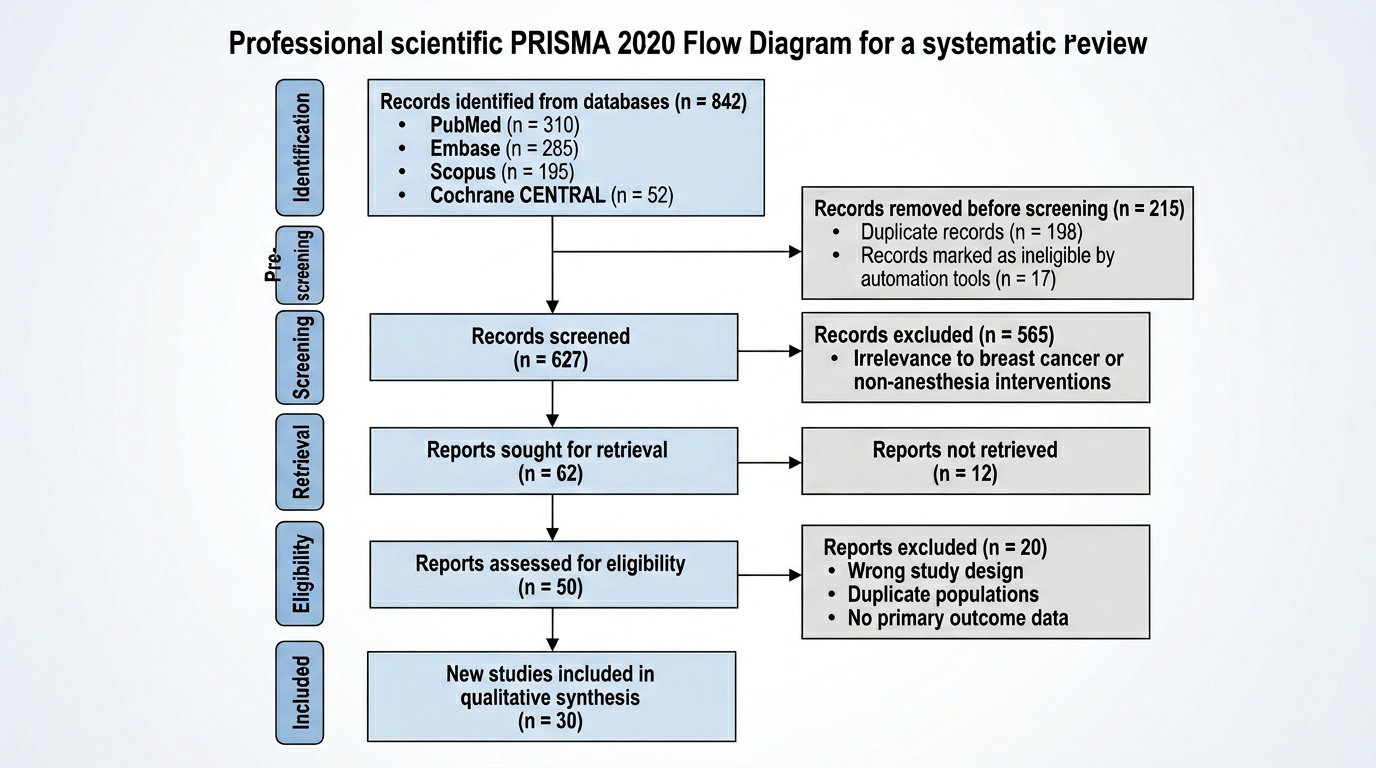
Figure 1: PRISMA Flow Diagram of Study Selection Process
Data Extraction
Data were extracted using a standardized form capturing the following:
Study Identification: Author, year, and country.
Trial Characteristics: Design (RCT, cohort, etc.), sample size, and follow-up duration.
Anesthetic Protocol: Maintenance agent (Propofol vs. Volatile), opioid use, and regional techniques.
Tumor Data: Pathological stage, surgical type, and Estrogen Receptor (ER) status.
Outcome Measures: Hazard Ratios (HR) for survival, mean differences for immune markers, and recovery metrics.
Quality Assessment and Risk of Bias
Methodological quality was appraised independently by two reviewers. RCTs were evaluated using the Cochrane Risk of Bias (RoB 2.0) tool, assessing domains such as randomization, deviations from interventions, and missing data. Observational and retrospective cohorts were assessed via the Newcastle-Ottawa Scale (NOS), with scores ≥7 categorized as "high quality."
Data Synthesis and Qualitative Analysis
While quantitative synthesis was initially considered, a formal meta-analysis was deemed inappropriate due to substantial clinical and methodological heterogeneity. This divergence stemmed from variable interventions (disparate propofol dosing and varying regional techniques) and surgical diversity (mixing breast-conserving surgery with radical mastectomies). Furthermore, temporal inconsistencies in outcome reporting (RFS ranging from 1 to 10 years) precluded a meaningful pooled Hazard Ratio (HR). Consequently, a qualitative narrative synthesis was performed using the framework provided by a previous study [6]. Evidence was categorized into oncological outcomes, immunological modulation, and clinical feasibility.
Results
Study Selection and Characteristics
The systematic search identified 30 primary studies meeting the inclusion criteria, spanning from 1996 to 2025. The final synthesis comprises RCTs, prospective audits, and retrospective cohort studies, including those utilizing propensity score matching. Geographically, the evidence represents a global cohort with data from India, China, the USA, the UK, Sweden, Japan, Korea, and Australia. Sample sizes varied significantly, ranging from small pilot studies of 100 patients to large-scale national registry analyses [5,7]. The qualitative landscape of these findings, categorized by clinical outcome and anesthetic favorability, is visually summarized in the Summary of Findings (SoF) Table (Table 1) to facilitate rapid appraisal of the heterogeneous data.
| Author (Year) | Country | Study Design | Study Population | Comparison | Primary Findings | Oncological Impact |
| Oakley et al. (1996) | UK | Prospective Audit | 50 | LA vs. GA | Successful mastectomy under LA in 96% of cases. | Safe/Feasible for high-risk patients. |
| Exadaktylos et al. (2006) | Ireland / USA | Retrospective Cohort | 129 | PVB+GA vs. GA+Opioid | Regional anesthesia associated with a 4-fold reduction in recurrence risk. | Significant protective benefit (HR: 0.21). |
| Deegan et al. (2010) | Ireland | RCT | 40 | PVB+Propofol vs. GA | Attenuation of pro-inflammatory cytokines (IL-1β, IL-6) and MMP-9. | Lower inflammatory/proteolytic markers. |
| Kashiwagi et al. (2012) | Japan | Retrospective Cohort | 32 | LA+Sedation vs. GA | LA with sedation is technically feasible for early-stage surgery. | 100% success for BCS and SLNB. |
| Buckley et al. (2014) | Ireland | Pilot RCT | 40 | PVB+Propofol vs. GA+Sevo | Propofol-PVB preserved Natural Killer (NK) cell cytotoxicity. | Better NK cell-mediated immunity. |
| Desmond et al. (2015) | Ireland | Pilot RCT | 40 | TIVA/PVB vs. Sevo | Increased NK cell density (CD56+) at the tumor margin. | Higher immune cell infiltration. |
| Woo et al. (2015) | South Korea | RCT | 40 | TIVA vs. Desflurane | Both modalities showed transient postoperative immune suppression. | No difference in NK cell decline. |
| Wigmore et al. (2016) | UK | Retrospective (PSM) | 5,214 | TIVA vs. Volatile | Significant mortality reduction observed in the TIVA group. | Survival advantage for TIVA (P < 0.001). |
| Kim et al. (2017) | South Korea | Retrospective (PSM) | 5,331 | TIVA vs. Sevoflurane | No significant difference in long-term outcomes between groups. | Neutral impact on RFS and OS. |
| Karanlik et al. (2017) | Turkey | Case-Control | 91 | LA+Sedation vs. GA | Confirmed safety and parity of de-escalated anesthesia for geriatric patients. | Equivalent survival in high-risk elderly. |
| Cho et al. (2017) | South Korea | RCT | 60 | TIVA-PVB vs. GA | Combination of TIVA and PVB mitigated surgical stress response. | Attenuated NK cell suppression and IL-6. |
| Lim et al. (2018) | South Korea | RCT | 44 | TIVA vs. Sevoflurane | No clinically significant difference in peripheral immune cell distribution. | Minimal impact on immune cell counts. |
| Ní Eochagáin et al. (2018) | Ireland | RCT (Sub-study) | 129 | Propofol-PVB vs. Sevoflurane-Opioid | No significant difference in inflammatory markers or RIOT. | Neutral: No impact on chemotherapy timing. |
| Sessler et al. (2019) | Multicentric | Multicenter RCT | 2,108 | PPA vs. SGA | Definitive trial showing anesthetic choice does not dictate recurrence. | Neutral: No difference in recurrence (HR: 0.97). |
| [15] | USA / Belgium | Post-hoc RCT Analysis | 2,108 | Propofol + PVB vs. Sevoflurane + Opioids | Propofol-PVB did not improve survival compared to Sevoflurane. | Neutral: No significant survival benefit. |
| Kim et al. (2020) | Japan | Retrospective Cohort | 730 | Local + IV Sedation vs. GA | Sedation/Local group showed higher 5-year RFS and OS. | Positive: Improved RFS and OS. |
| Nair et al. (2021) | India | Case Series | 100 | TIVA+PECS II | High patient satisfaction and reduced opioid requirements. | Enhanced recovery; opioid-sparing. |
| Zhang et al. (2021) | China | Retrospective (PSM) | 821 | PVB+Propofol vs. V-GA | Reduced risk of local cancer return with regional-intravenous protocols. | Protective for locoregional recurrence. |
| Chhabra et al. (2021) | India / Global | Cochrane Review | 1,479 | PVB (+/- sedation) vs. GA | PVB reduced postoperative pain and PONV. | Inconclusive long-term evidence. |
| Zhang et al. (2022) | Taiwan | Retrospective Cohort | 1,481 | Propofol Sedation vs. Non-Propofol | Propofol was associated with lower locoregional recurrence rates. | Positive: Reduced LRR risk. |
| Enlund et al. (2022) | Sweden | Retrospective (PSM) | 6,305 | TIVA vs. Volatile | Tumor biology outweighs anesthetic influence on survival. | Neutral impact on 5-year OS ($HR: 1.11$). |
| Gu et al. (2022) | China | Retrospective | 322 | LA vs. GA | Local anesthesia provides safe oncological clearance. | No difference in 5-year DFS or OS. |
| Li et al. (2022) | China | Secondary RCT | 434 | PVB-GA vs. GA | Identified a specific survival benefit in ER-negative tumors. | Protective in ER-negative subtypes. |
| Dubowitz et al. (2023) | Australia | Animal Study | Mouse models | Propofol vs. Sevoflurane | No difference in primary tumor growth or metastatic burden. | Neutral: No differential impact. |
| Kim et al. (2023) | Japan | Retrospective Cohort | 863 | NMV-BCS vs. GA | Non-mechanically ventilated anesthesia led to favorable RFS. | Positive oncological outcomes. |
| Badwe et al. (2023) | India | Phase III RCT | 1,583 | Peritumoral Lidocaine | Lidocaine injection improves survival in early-stage breast cancer. | Significant DFS/OS benefit (P = 0.017). |
| Rajaee et al. (2023) | Canada | Prospective Quality | 100 | MAC vs. GA | MAC resulted in superior QoR-15 scores on POD1. | Improved recovery quality. |
| Zhang et al. (2024) | China | Meta-Analysis | 22,420 | TIVA vs. Volatile | Pooled statistical synthesis favors TIVA for long-term survival. | Positive: TIVA superior in survival. |
| Thiviya et al. (2025) | UK | Retrospective | 62 | LA vs. GA | Equivalent safety; 0-day hospital stay achieved. | Equivalent safety; higher efficiency. |
| Liu et al. (2025) | China | Bayesian Meta-Analysis | 2,757 | Opioid-sparing vs. Opioid-free | Strategies significantly improved QoR-15 scores. | Improved recovery quality. |
Preclinical Mechanistic Insights (Animal Models)
The inclusion of preclinical data in this review serves to establish the pathophysiological rationale for the onco-anesthesia hypothesis rather than to provide definitive evidence of clinical efficacy. Murine models have demonstrated that anesthetic agents can modulate the metastatic cascade at a molecular level, specifically through the preservation of NK cell cytotoxicity and the attenuation of pro-inflammatory signaling [8]. These controlled environments suggest that volatile agents may promote a pro-tumorigenic milieu, providing the mechanistic "biological plausibility" that prompted large-scale human investigations. However, these findings represent "preclinical promise" and are used here exclusively to delineate potential biological pathways.
Clinical Oncological Outcomes (Human Trials)
In contrast to preclinical observations, translational evidence from human trials presents a complex and often contradictory landscape. While laboratory models frequently suggest oncoprotective effects of certain anesthetics, clinical data—categorized by study design—reveal the following:
Large-Scale RCTs: The multicenter RCT study remains the "gold standard" for clinical guidance [9]. This definitive study reported no significant difference in breast cancer recurrence between regional-propofol and volatile-opioid regimens (HR = 0.97, 95% CI: 0.74–1.28). These findings are reinforced by a meta-analysis of 2,752 participants, which confirmed no clear evidence of a difference in either recurrence-free or overall survival when comparing thoracic paravertebral block (TPVB) to GA [10]. These results suggest that in broad, heterogeneous human populations, the systemic choice of anesthesia may not be a primary determinant of long-term survival.
Targeted Localized Interventions: Conversely, high-impact evidence indicates that specific localized interventions, such as peritumoral lidocaine infiltration, significantly improve disease-free survival (HR = 0.74) [11]. This suggests a critical nuance: while systemic choices like TIVA may yield neutral effects, the precise timing and method of sodium channel blockade during the "surgical window" appear to be clinically significant.
Observational and Registry Data: Retrospective analyses and registry data continue to yield conflicting results [5,12]. However, high-fidelity data involving 5,331 patients strongly suggest that anesthetic choice does not meaningfully impact recurrence (P = 0.621) [13]. Such large-scale observational evidence emphasizes that baseline tumor biology and surgical precision remain the dominant determinants of patient prognosis, potentially masking the subtle immunomodulatory effects of anesthetic agents.
Regional Anesthesia (RA) and Recurrence
The largest multicenter RCT to date, involving 2,108 patients, found no significant difference in breast cancer recurrence between regional anesthesia-analgesia (specifically paravertebral block and propofol) and general anesthesia with sevoflurane (HR = 0.97, 95% CI: 0.74–1.28) [9]. This conclusion was further reinforced by subsequent secondary analyses of the trial data, although certain sub-studies suggested potential variations mediated by ER expression [14]. Similarly, an analysis of total intravenous anesthesia with paravertebral block (TIVA-PVB) found no statistically significant differences in recurrence-free survival by [15].
In contrast, retrospective data suggested that paravertebral blocks combined with propofol might reduce locoregional recurrence (LRR) in patients undergoing breast-conserving surgery when compared to those receiving volatile agents [16]. However, despite these retrospective findings, the broader consensus derived from high-quality randomized evidence remains neutral regarding the impact of regional anesthesia on long-term survival [10].
Propofol-based TIVA vs. Volatile Anesthesia (VA)
The impact of anesthetic maintenance on long-term oncological outcomes remains a subject of ongoing debate. While a large national registry study and a propensity-score-matched cohort both concluded that the choice between propofol and volatile anesthesia does not significantly affect long-term survival, other evidence suggests a more nuanced picture [5,13].
Specifically, meta-analytical data and certain retrospective cohorts indicate potential survival benefits or a reduced risk of recurrence associated with propofol-based TIVA, particularly in the context of total mastectomy [12,17,18]. Conversely, large multicenter trial data found no significant alteration in the risk of cancer recurrence based on the anesthetic technique used [15]. Consequently, the clinical superiority of one maintenance strategy over the other for long-term survival remains inconclusive.
Local Anesthesia (LA) and Peritumoral Infiltration
A significant departure from systemic anesthetic maintenance is the use of peritumoral local anesthetic infiltration (LAI). High-impact evidence from a large-scale RCT demonstrated that the administration of 0.5% lidocaine around the tumor immediately prior to surgery resulted in a 26% reduction in the risk of recurrence (HR = 0.74) and a 29% reduction in the risk of death (HR = 0.71) [11]. This intervention differs fundamentally from TIVA or volatile anesthesia as it focuses on blocking voltage-gated sodium channels (VGSCs) at the primary site of surgical trauma, potentially interrupting the stress-induced systemic release of viable tumor cells during the critical perioperative window. It is essential to distinguish this from systemic anesthetic choices; while TIVA and volatile agents represent systemic pharmacological interventions, peritumoral lidocaine is a localized surgical-site intervention. This distinction is crucial, as high local concentrations of sodium channel blockade specifically target the mechanical dissemination of tumor cells during surgical manipulation, potentially explaining positive outcomes in instances where systemic trials have yielded neutral results. Studies focused on elderly or comorbid populations confirmed that breast-conserving surgery under LA is oncologically safe and feasible [19]. Furthermore, research reported that outpatient surgery utilizing LA and sedation might reduce recurrence rates compared to traditional general anesthesia [20,21].
Immunological Modulation
Natural Killer Cell Activity and Cytokines
Several studies have investigated the "onco-protective" potential of anesthetic agents and their impact on the immune system. Research indicates that serum from patients receiving propofol-paravertebral anesthesia preserves NK cell cytotoxicity significantly better than serum from those in sevoflurane-opioid groups [22,23]. While some trials found no significant differences in overall immune cell populations [24], others identified specific cytokine modulations. Volatile agents were consistently associated with more pronounced pro-inflammatory responses, whereas propofol appeared to mitigate certain suppressive effects on cell-mediated immunity [25]. Most notably, a study found that total intravenous anesthesia combined with paravertebral blockade (TIVA/PVB) resulted in a significantly higher density of NK cells (CD56+) infiltrating the tumor margin (p=0.034); however, no differences were observed regarding T-lymphocyte (CD4+, CD8+) infiltration or tumor proliferation markers (Ki67) [26].
Neutrophil-to-Lymphocyte Ratio (NLR)
The systemic inflammatory response, as measured via NLR, yielded varied results. It was found that anesthetic technique did not significantly alter the RIOT or postoperative NLR and Platelet-to-Lymphocyte Ratio (PLR) [27]. In contrast, some evidence suggests that anesthetic choice could influence specific perioperative immune markers, although the clinical significance of these shifts on long-term recurrence remained unproven within their prospective cohort [28].
Clinical Feasibility and Recovery
Quality of Recovery (QoR-15)
Clinical recovery metrics consistently favored less invasive or multimodal anesthetic strategies. For instance, Monitored Anesthesia Care (MAC) provided superior QoR-15 scores compared to general anesthesia [29], while cohorts managed with regional techniques combined with sedation demonstrated higher patient satisfaction and accelerated recovery [7].
Detailed analysis suggests that while TIVA contributes to modest improvements in early sedation and postoperative nausea and vomiting (PONV), the primary drivers of physical recovery—specifically pain management and mobility—were multimodal protocols incorporating regional nerve blocks, such as PECS or paravertebral blocks. TIVA appears to predominantly influence the psychological and emotive dimensions of the QoR-15; in contrast, regional anesthesia remains the dominant factor enhancing physical and functional recovery components. Supporting this, a study confirmed that TPVB significantly improved the quality of recovery by reducing pain scores at 2, 24, and 48 hours and decreasing PONV [10]. Furthermore, TPVB contributed to a shorter hospital stay, with a mean difference of -0.37 days.
Resource Utilization and Cost-Effectiveness
LA was identified as highly cost-effective and feasible, particularly in resource-limited settings or for minor oncological procedures [30]. Historical audits and contemporary case-control studies confirmed that performing simple mastectomies or breast-conserving surgeries under LA with sentinel lymph node biopsy significantly reduces hospital length-of-stay and overall healthcare costs without compromising surgical or oncological outcomes [31-34].
Risk of Bias and Quality Assessment
The methodological quality of the included RCTs was generally high, although several studies were constrained by their retrospective design and inherent risk of selection bias. While preclinical animal models provided essential mechanistic context, they were weighted lower in the overall clinical synthesis [8]. Significant heterogeneity in surgical interventions (total mastectomy vs. breast-conserving surgery) and follow-up durations (ranging from 1 to over 10 years) remains a primary factor influencing the qualitative nature of this evidence synthesis.
Discussion
The Onco-Anesthesia Paradigm: Evidence vs. Theory
The evidence presented suggests a "translational gap" where biological plausibility does not always yield clinical survival benefits. The neutrality of the studies indicates that tumor biology and surgical radicality remain the primary determinants of prognosis [10,13,15]. However, superior recovery profiles and localized immune benefits justify the use of TIVA and RA as preferred modalities for improving the quality of recovery and potentially expediting the RIOT [26].
Beyond survival data, the findings highlight that the perioperative window remains a critical time for intervention. While systemic maintenance may have neutral outcomes on overall survival, the preservation of innate immunity at the tumor site suggests that the quality of the immune microenvironment is sensitive to anesthetic choice. This immunological "signal" provides a physiological rationale for prioritizing TIVA and RA, even in the absence of broad survival shifts [26].
The evolution of onco-anesthesia protocols is characterized by a strategic shift toward interventions that mitigate the surgical stress response and preserve host immunity. Current methodologies primarily categorize these interventions into propofol-based TIVA; volatile inhalational anesthesia using halogenated agents—such as sevoflurane, desflurane, or isoflurane; and regional techniques including TPVB and pectoral nerve (PECS) II blocks. Furthermore, de-escalated modalities, including LA and monitored anesthesia care (MAC), have emerged as robust alternatives for maintaining spontaneous ventilation while minimizing systemic physiological disruption. Mechanistically, these strategies focus on preserving NK cell cytotoxicity and attenuating the surge of pro-inflammatory cytokines such as IL-6 and proteolytic enzymes such as MMP-9, which are implicated in perioperative tumor cell migration and micrometastasis.
Clinically, the impact of these modalities on long-term oncological outcomes presents a complex landscape of evidence. High-powered RCTs indicate no significant survival difference between regional-propofol and volatile-opioid regimens (HR = 0.97) [9]. Conversely, large-scale meta-analyses encompassing over 22,000 patients suggest a distinct survival advantage for TIVA (HR = 0.72). This dichotomy is further influenced by localized interventions; for instance, peritumoral lidocaine infiltration has been shown to significantly enhance five-year disease-free survival (P = 0.017). Beyond oncological efficacy, de-escalated anesthetic techniques demonstrate superior clinical feasibility, evidenced by improved Quality of Recovery (QoR-15) scores, reduced postoperative nausea and vomiting, and significant economic advantages through expedited day-case surgical pathways and lower hospitalization costs.
The "onco-anesthesia" hypothesis suggests that perioperative interventions can fundamentally alter cancer prognosis. Early seminal work created a compelling narrative that avoiding volatile agents and opioids in favor of TIVA and regional blocks could drastically reduce recurrence [17,35]. However, the results of definitive RCTs and robust cohort studies have tempered this enthusiasm [5,9]. These high-powered studies suggest that for the general population of breast cancer patients, the systemic anesthetic choice may not be the primary driver of survival. While preclinical models provide the necessary mechanistic framework to explain how anesthesia could influence tumor biology, clinical decisions must be weighted toward the results of prospective human randomized controlled trials. The discrepancy between the "preclinical promise" of NK cell preservation and the "neutral" clinical findings highlights a significant translational gap—where supra-therapeutic drug concentrations and standardized environments in animal studies fail to account for human variables such as neoadjuvant chemotherapy and surgical complexity.
Precision Onco-Anesthesia: The Role of Tumor Molecular Subtypes
This discrepancy likely arises from the inherent biases of earlier retrospective data, where TIVA may have been preferentially assigned to healthier patients or those with more favorable tumor biology. The interaction between anesthetic modality and tumor molecular biology represents a critical frontier in precision onco-anesthesia. While trials were neutral for the general cohort [9], secondary analyses and subsequent studies suggest that patients with estrogen receptor (ER)-negative or TNBC may derive a more pronounced benefit from propofol-based regional anesthesia [14]. TNBC subtypes often exhibit higher baseline inflammatory markers and a more aggressive mesenchymal phenotype, making them potentially more susceptible to the IL-6 and MMP-9 surges associated with volatile agents. Conversely, ER-positive tumors, which are often driven by more indolent luminal pathways, may be less influenced by transient perioperative immunological shifts. Future trials should be powered to perform pre-planned subgroup analyses based on receptor status to identify "high-responder" populations.
| Tumor Subtype | Putative Mechanism | Suggested Anesthetic Strategy | Evidence Level |
| TNBC / ER-Negative | High inflammatory sensitivity; NK cell dependent | Propofol-TIVA + Regional Block | Hypothesis-generating (Post-hoc sub-analysis of RCT; [14] |
| ER-Positive | Luminal-driven; less sensitive to stress surge | Standard of Care (Neutral) | Robust [9] |
| All Subtypes | VGSC blockade at tumor margin | Peritumoral Lidocaine Infiltration | High [11] |
Mechanistic Insights: Shaping the Micrometastatic Environment
Despite the neutral survival data reported in several large-scale RCTs, the biological impact of anesthetic agents remains scientifically profound. Propofol and lidocaine appear to preserve N cell activity—the primary defense against circulating tumor cells [11]. In contrast, volatile anesthetics and opioids are linked to a "pro-tumorigenic" milieu characterized by elevated levels of IL-6 and MMP-9, which facilitate extracellular matrix degradation and metastatic seeding [25]. The efficacy of peritumoral lidocaine suggests that targeted sodium channel blockade during the narrow "surgical window" can attenuate the pro-metastatic stress response, even when systemic TIVA yields less pronounced effects.
However, disentangling the potential anti-tumor effects of propofol from the benefits of "confounding by analgesia" remains challenging. Because TIVA-regional protocols are inherently opioid-sparing, observed oncological benefits may stem as much from the avoidance of mu-opioid receptor-mediated immunosuppression as from the intrinsic properties of the anesthetic agent itself. These benefits are likely synergistic, representing a paradigm shift toward a physiologically neutral perioperative environment.
A significant theme in recent literature is the feasibility of de-escalating anesthetic intensity. Research demonstrates that breast-conserving surgery (BCS) and sentinel lymph node biopsy (SLNB) under LA are safe and oncologically equivalent to GA [33,34]. This shift is critical for frail, elderly patients with significant comorbidities who face higher risks of GA-related complications [19]. By maintaining spontaneous ventilation and avoiding endotracheal intubation, clinicians can prioritize patient safety without compromising surgical precision or long-term outcomes.
Discrepancies in Literature and the NACT Confounder
The persistent divergence between the survival benefits reported in retrospective meta-analyses and the neutral outcomes of landmark prospective trials underscores the inherent complexity of perioperative oncological research [9,12]. Retrospective datasets are frequently susceptible to "healthy user bias," where TIVA and regional techniques are preferentially utilized within enhanced recovery pathways for younger, lower-risk cohorts. This selection bias likely inflates the perceived efficacy of intravenous modalities, an effect that is subsequently attenuated in pragmatically designed RCTs.
Beyond selection bias, the widespread adoption of NACT represents a dominant and under-reported confounding factor. While this review identifies an anesthetic influence on NK cell cytotoxicity, the profound, systemic immunosuppression induced by taxanes and anthracyclines constitutes a more significant baseline determinant of the host's immunological state. Primary tumor biology and the cumulative physiological insult of systemic therapy may outweigh the subtler pharmacologic modulations of a two-hour anesthetic window [8].
The "carry-over" effect of cytotoxic agents creates a significant translational gap. The reviewed literature suggests that while the "vulnerable window" is biologically plausible in treatment-naive populations, it remains a largely theoretical construct in the NACT cohort. None of the identified clinical studies provided the necessary granularity—such as the specific interval between NACT completion and surgery or real-time recovery markers (CD4+/CD8+ counts on the day of surgery)—to confirm whether anesthetic choice can meaningfully overcome the baseline myelosuppression of heavy systemic pretreatment.
Consequently, without stratifying outcomes by NACT status and intensity, it remains unclear whether onco-anesthetic strategies offer synergistic benefits or if their clinical impact is negligible in the setting of prior chemotherapy. Future research must bridge this gap by documenting the "chemotherapy-to-surgery" timeline and baseline immune profiles, moving beyond the "one-size-fits-all" approach to perioperative cancer care.
Limitations and Future Directions
A primary limitation of current research is the lack of standardization across TIVA and regional protocols, with significant heterogeneity in propofol dosing and the selection of nerve blocks (PVB versus PECS II). Furthermore, inconsistent reporting of essential perioperative confounders-specifically total morphine milligram equivalents (MME) and NACT status-limits the ability to definitively attribute oncological outcomes to the anesthetic agent alone.
A critical weakness in the existing evidence base is the lack of granularity regarding NACT. Most studies fail to document the interval between chemotherapy completion and surgical intervention, or the specific cytotoxic classes utilized. Consequently, it remains impossible to determine whether the "vulnerable window" of anesthesia remains a viable target for intervention in patients who have already sustained profound baseline immunosuppression from NACT.
Future research must move toward "precision onco-anesthesia" by investigating whether specific molecular subtypes, such as Triple-Negative or ER-negative tumors, derive unique benefits from tailored anesthetic strategies [14]. Prospective trials should prioritize the stratification of outcomes by NACT status and timing, incorporating real-time immunological profiling to bridge the translational gap between laboratory models and clinical practice.
Conclusion
This systematic review underscores a significant translational gap: while laboratory models demonstrate clear "onco-protective" effects of propofol and regional anesthesia, large-scale clinical trials remain largely neutral. This suggests that for the general population, systemic anesthetic choice may not be the primary driver of survival. Instead, the success of targeted interventions indicates that blocking localized stress responses during tumor manipulation may be more clinically impactful than broad systemic maintenance.
Furthermore, the rising utilization of NACT represents a dominant confounding factor. The profound, long-term immunological depletion induced by cytotoxic agents likely diminishes the relative clinical impact of transient perioperative immune modulation. Consequently, current data does not support a mandate to transition to TIVA solely for oncological benefit. Rather, the combination of TIVA and regional anesthesia should be prioritized for its clinical feasibility, including reduced postoperative nausea, improved Quality of Recovery (QoR-15) scores, and an expedited RIOT.
From a global perspective, the de-escalation of anesthesia toward local and regional modalities offers transformative benefits for resource-limited settings. Techniques such as Monitored Anesthesia Care (MAC) for breast-conserving surgery ensure oncological equivalence and resource efficiency without compromising patient safety. Future research must focus on high-risk cohorts—such as those with triple-negative breast cancer—and standardize the reporting of NACT timelines to transition the field from biological plausibility to targeted clinical guidelines.
Declarations
Ethics approval and consent to participate
Not Applicable
Data Availability
All data available on corresponding author upon responsible request.
Conflicts of Interest
None
Funding Statement
None
Authors' contributions
All author’s equal contributions
Acknowledgments
Not Applicable